


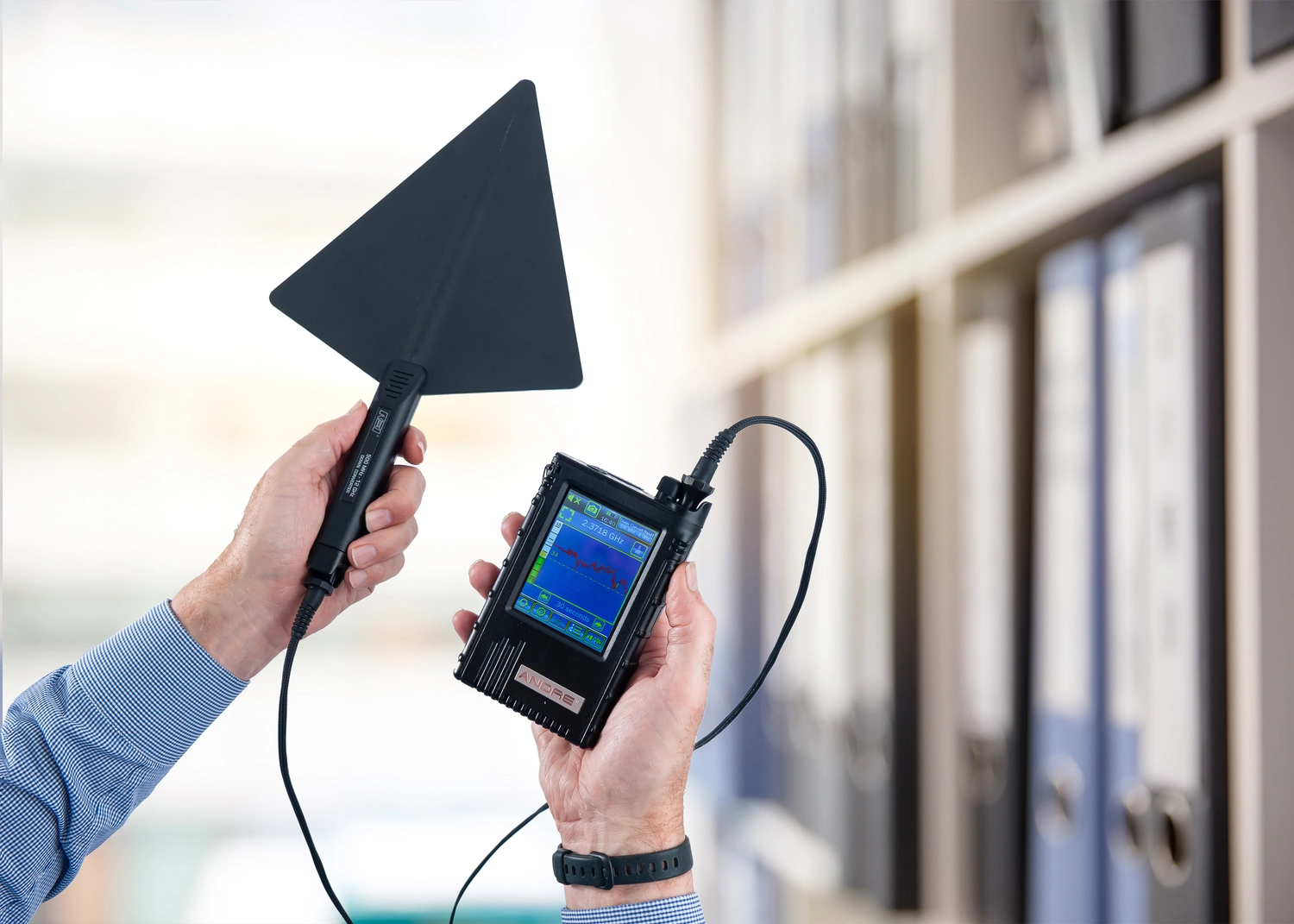
Active counter-surveillance measures, known as sweeps, involve specialists checking a security area using technical equipment. This includes regular checks of premises for technical listening devices and accompanying, continuous monitoring during a conference or meeting. At the outset, many security managers are faced with the question of whether to commission an external service provider to carry out the counter-surveillance check or whether to build up the relevant resources internally and equip them with the necessary technical aids.
The advantages of an external service provider are rapid implementation and lower costs in the short term. In the long term, however, setting up an internal eavesdropping defense system can be worthwhile, and not just in terms of costs. Security-related considerations should also be taken into account when deciding whether to have highly confidential information protected by an external service provider.
Various devices and technologies for active eavesdropping defense are presented below. However, professional technical training is essential for the correct use of the devices.
A noise system can be used to prevent eavesdropping via laser systems or structure-borne sound microphones. The transducers installed on the windows, walls, ceilings, and pipes, together with the connected noise generator, superimpose randomly generated noise onto the sound waves of the conversation.
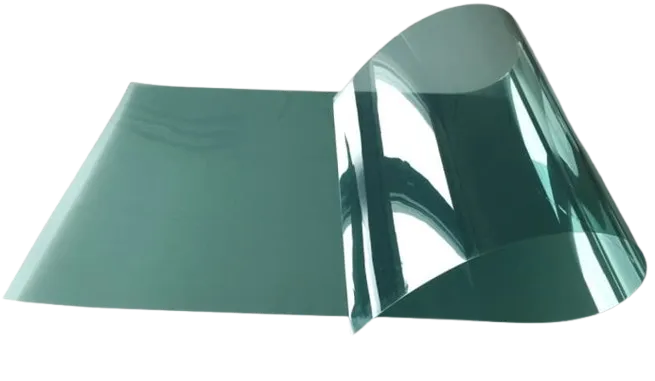
The accompanying software allows the systems to be adjusted so precisely that there is only minimal disruption in the room. To protect against penetrating laser beams, it is recommended that laser protection film be applied to the windows. Alternatively or in addition, acoustic insulation can also be integrated into the room architecture.
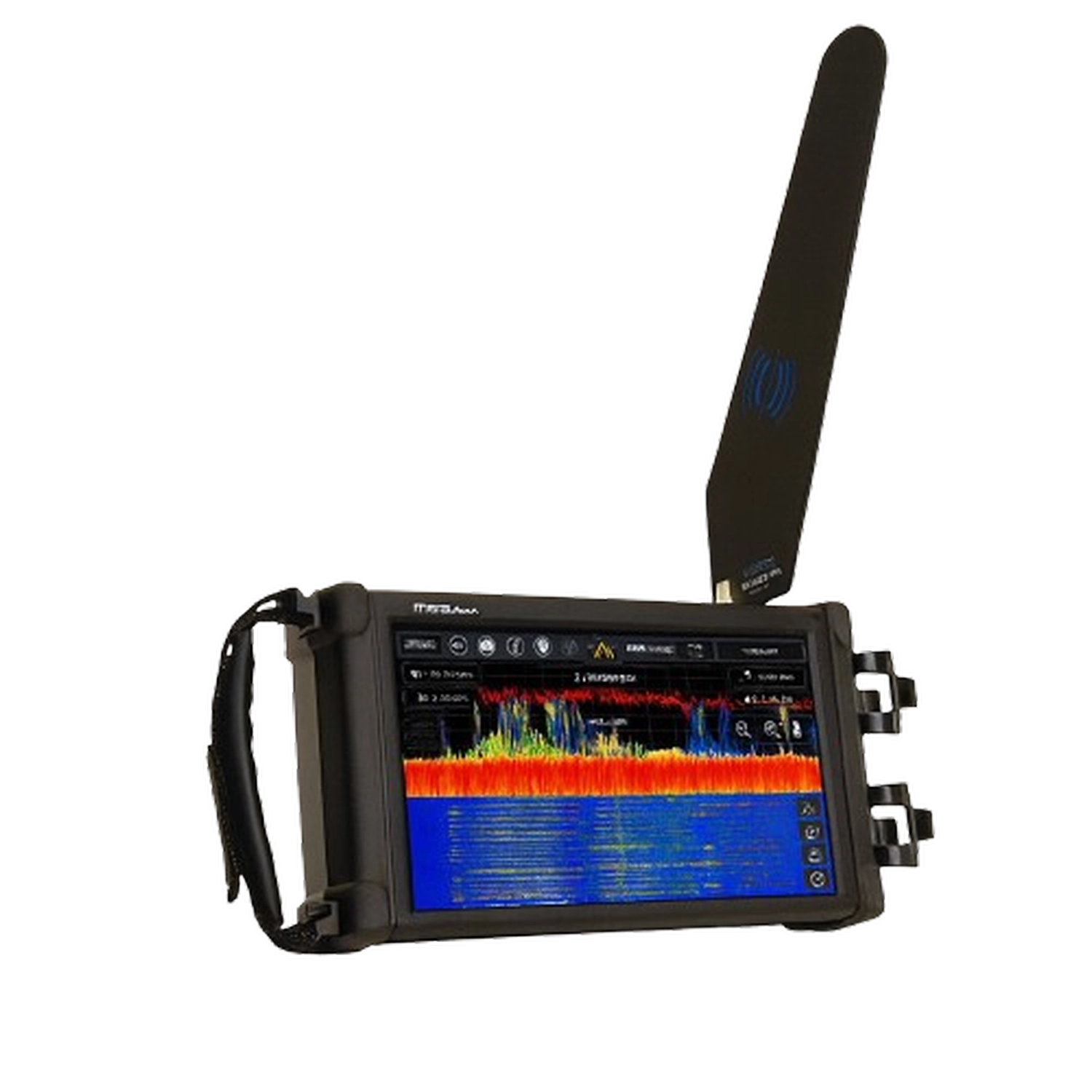
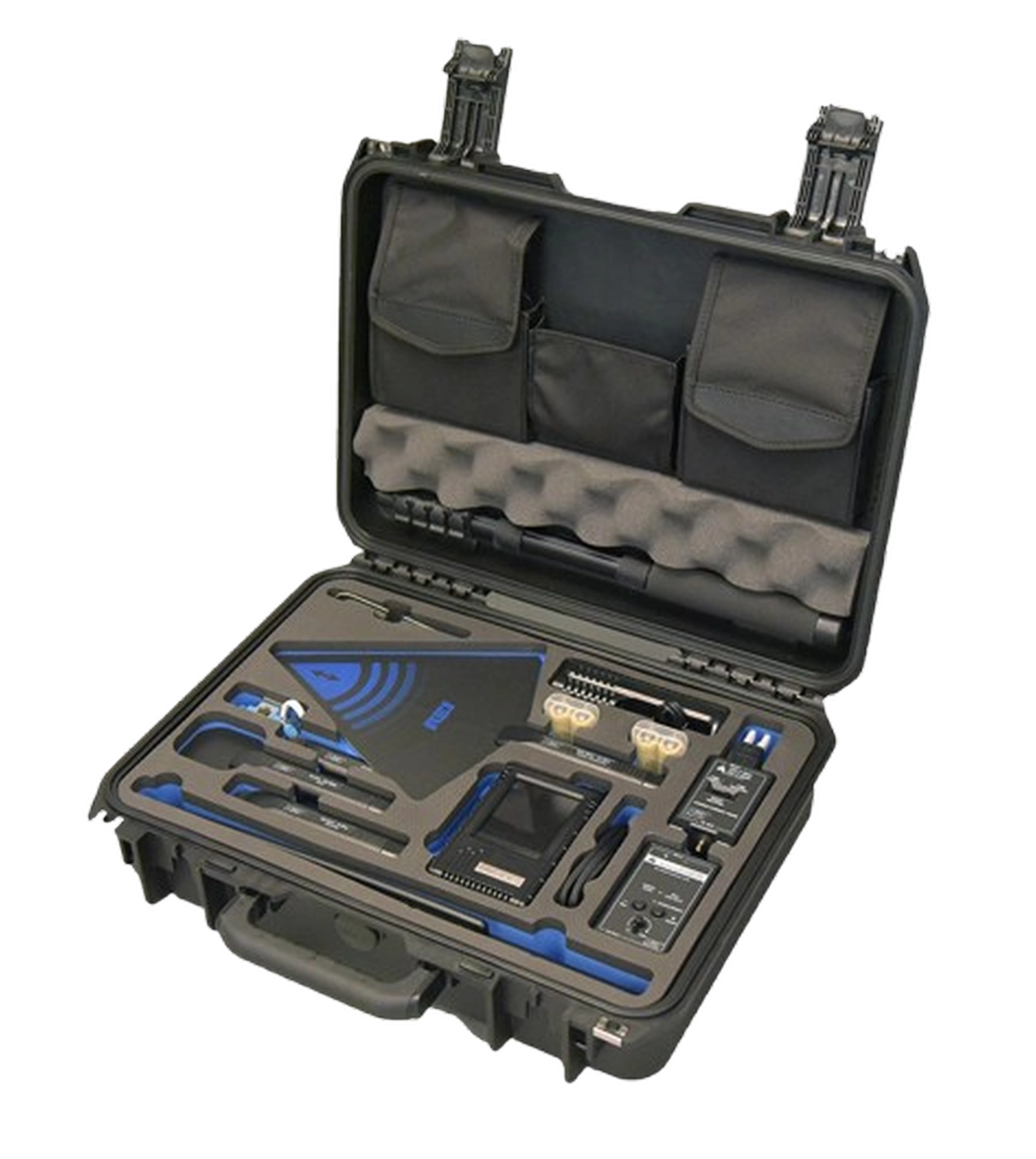
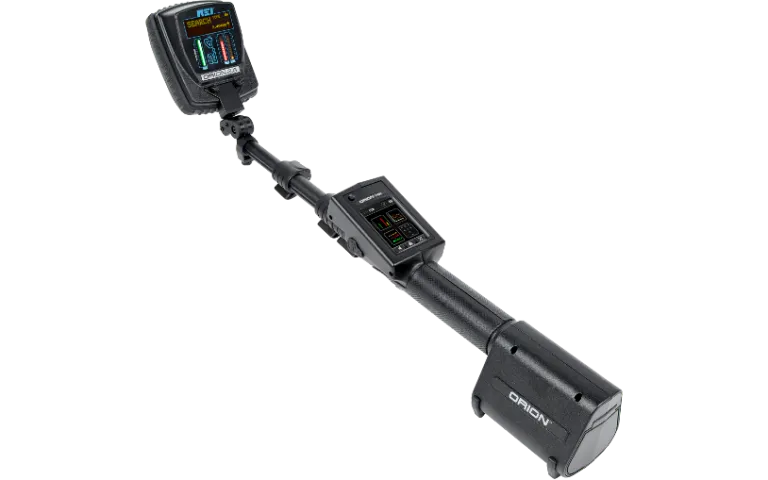
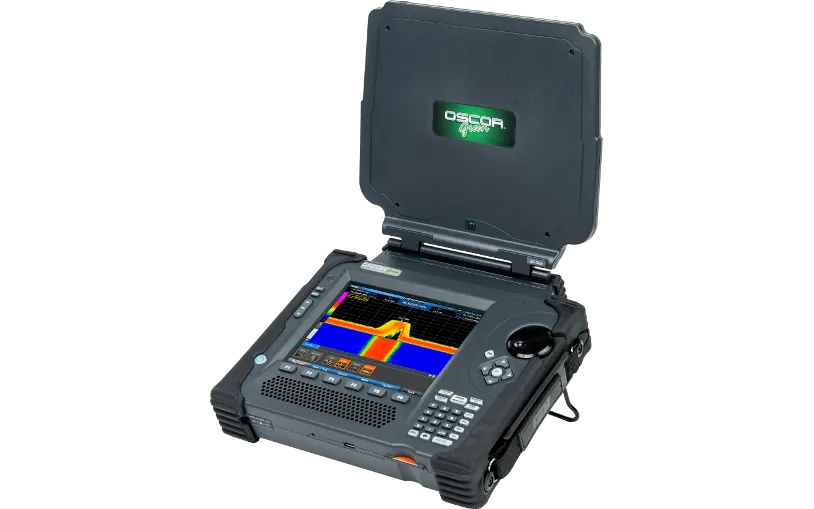
There are various ways to protect yourself from technical eavesdropping devices. One proven method is to use intelligent measuring receivers. These are radio receivers or spectrum analyzers that cover a very wide frequency band and can also detect and analyze infrared signals from the air and long-wave signals from power lines.
Their analytical capabilities are based on complex algorithms and high computing power, enabling them to locate even the sophisticated eavesdropping devices described above.
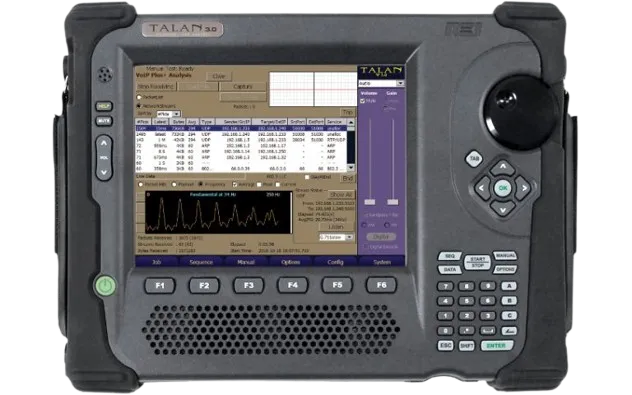
Once the rooms have been checked for active transmitters and all semiconductor components, the cables laid in the room still pose a safety risk. To close this gap, all cables are measured and checked using appropriate measuring devices.
The following devices are required for such a check: multimeter, audio amplifier, line distributor, time domain reflectometer, digital audio demodulator, and oscilloscope. More recently, multifunction devices specially designed for this application, such as the TALAN line analyzer, which covers the entire functionality, have also been used.
This device combines all the necessary functions and also enables the detection of eavesdropping devices on lines using frequency domain reflectometer measurement. The TALAN supports around 80% of the ISDN protocols available worldwide and can demodulate them.

Bretonischer Ring 12
85630 Grasbrunn